
Beyond remote, laptop, and phone — the tablet control layer for digital signage ops
Tablets are emerging as the shared frontline console for digital signage - speeding playback checks, troubleshooting, and governed updates at scale.


Digital signage teams already use a mix of tools to get screens up and running: a remote, a phone app, and a laptop/desktop for setup and administration. What’s emerging is the tablet as a dedicated, shared on-the-floor operations console - a control layer designed for frontline teams to manage screens, validate playback, and troubleshoot issues in the moment.
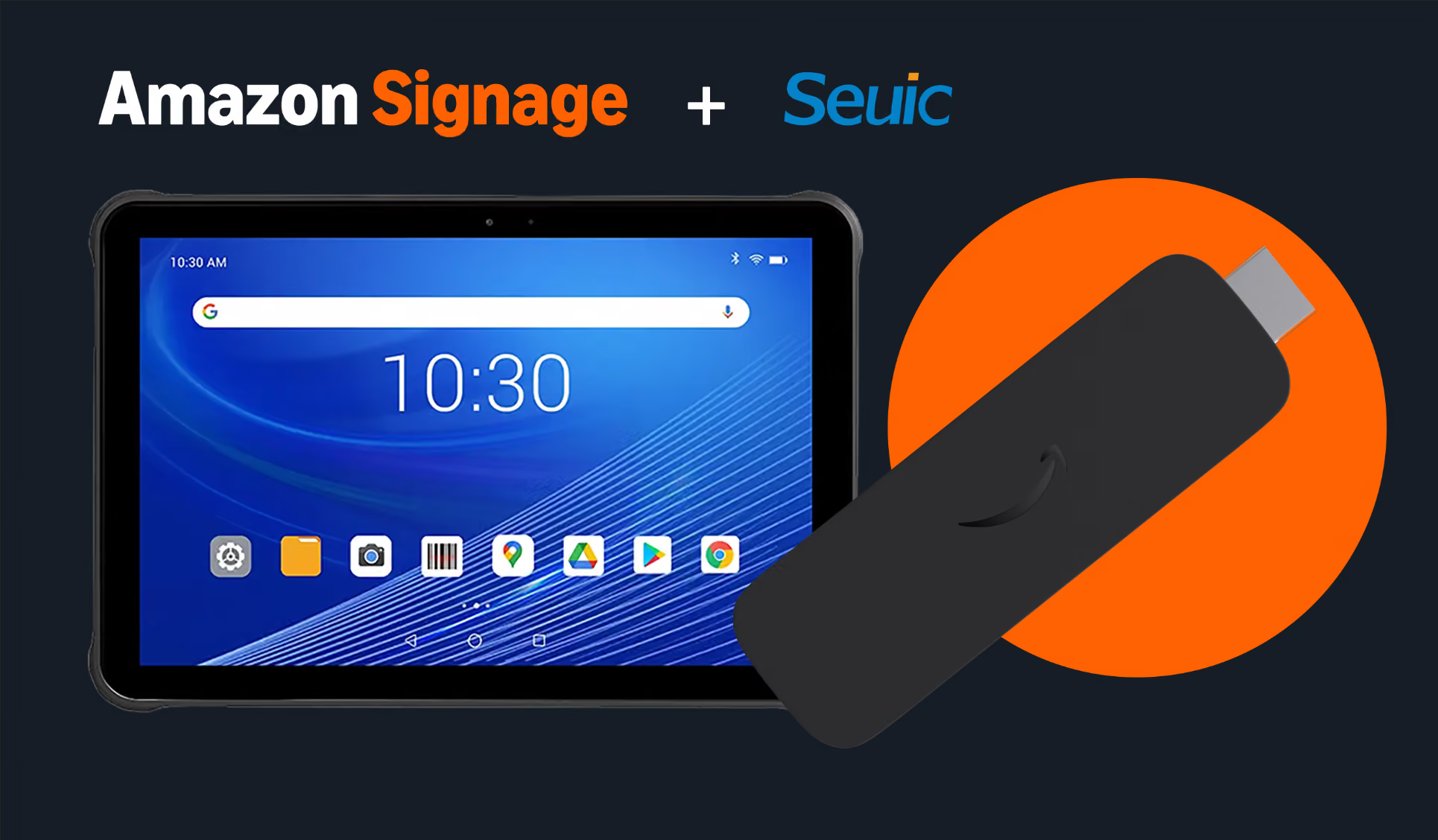
At EuroShop, we’ll be demonstrating a tablet-to-screen workflow using a SEUIC tablet at the SEUIC booth (Hall 5 / E33), alongside a joint solution built with Amazon Signage, AWS, Poppulo, and Idomoo. The demo showcases dynamic, AI-driven in-store videos running on Amazon Signage Stick, without the need for complex edge hardware.
A practical AI model: smarter content, simpler endpoints
The biggest unlock for AI in digital signage isn’t turning every screen into a high-end edge computer, it’s unit economics.Once implementation, content creation, and distribution costs drop, AI becomes something teams can run continuously and at scale, not as a one-off marketing experiment.
In our solution, Idomoo’s enterprise video platform leverages AWS Bedrock models to dynamically generate video based on local in-store signals (for example, weather or customer-provided inputs). Poppulo’s CMS then distributes thatAI-generated content to Amazon Signage Stick, which stream the videos to in-store displays. Read more here.
This model supports a shift retailers are increasingly exploring: moving from “one message for everyone” to testing what works locally, not as a luxury, but as an operating habit. With AI-generated content and low-friction delivery through existing signage workflows, retailers can run faster experiments, iterate more frequently, and learn what actually drives outcomes.
The next wave of value won’t come from making endpoints more complex. It will come from:
· cloud-based intelligence that reduces creation cost (using the right model for the job)
· simple, reliable edge playback on affordable devices
· guardrails that keep content useful and safe
· an operating model that reduces setup complexity and ticket load
That’s what turns AI from hype into a tool that can operationally scale.
Why tablet control layer is gaining ground
Remotes, phone apps and laptop can run signage at scale. The challenge is standardization: in real stores, operational ownership changes by shift, access needs to be governed, and issues must be handled quickly, without turning every incident into a ticket.
A tablet is easier to turn into an intentional, shared operations console - a device that stays on-site, stays with the team, and fits frontline workflows.
In practice, the tablet control layer is most valuable when it supports:
1) Faster day-to-day execution
· quick updates for promos, pricing messages, and seasonal campaigns
· confirming the right content is playing on the right screen
· making changes without going back to a back office or opening a laptop
2) Enterprise-friendly governance
· role-based access (store ops vs IT vs integrator)
· audit logs (who changed what, when)
· least-privilege controls (avoid universal admin access)
3) Lower operational burden
· faster diagnosis when something breaks
· clearer visibility (online/offline, playback status)
· guided steps that reduce escalations and onsite intervention
The underappreciated advantage: many teams already have tablets in the field
In retail (and retail-adjacent environments), tablets are often already deployed for frontline workflows - assisted selling, inventory tasks, POS support, guest services, or store management. When that’s the case, “tablet as a signage console” can be less about buying another device and more about utilizing what’s already in the field, as long as it aligns with policy and device management requirements.
The practical caveat: this works best when the tablet can be managed (e.g.,enrolled in MDM or controlled app modes), and when signage access is clearly defined by role.
Who benefits most from a tablet control layer?
The tablet control layer is most useful where signage is part of daily operations, and the operator needs to act in the moment:
· Shift-based operations: multiple people touch the system daily
· Operators are mobile: the person who needs to act is on the floor, not at a desk
· Changes are time-sensitive: promos, menus, service alerts, or schedules can’t wait
· Reliability matters in public view: a blank or incorrect screen is immediately visible
· Shared access needs governance: roles and auditability without relying on personal phones
This pattern shows up most often in:
· Retail (promo swaps, price messaging, zone-based playback checks)
· Hospitality and QSR (frequent updates during peak hours; staff moving across spaces)
· Healthcare and education (shared access + BYOD constraints)
· Warehouses, venues, and events (mobile operators + time-sensitive updates)
What to look for in a tablet-controlled signage workflow
If you’re evaluating a tablet control layer for signage operations, prioritize:
· role-based access with clear responsibilities
· audit logs by default
· remote visibility into device health and playback
· actionable troubleshooting (not just “offline”)
· repeatable operations across sites and regions
Bottom line: the tablet isn’t replacing the remote, laptop, or phone. It’s becoming the standardized, shared frontline console, helping teams keep signage operations fast, governed, and scalable.
See it live at EuroShop: Visit the SEUIC booth (Hall 5 / E33) to view the tablet-to-screen workflow and dynamic AI video demo.
Resources
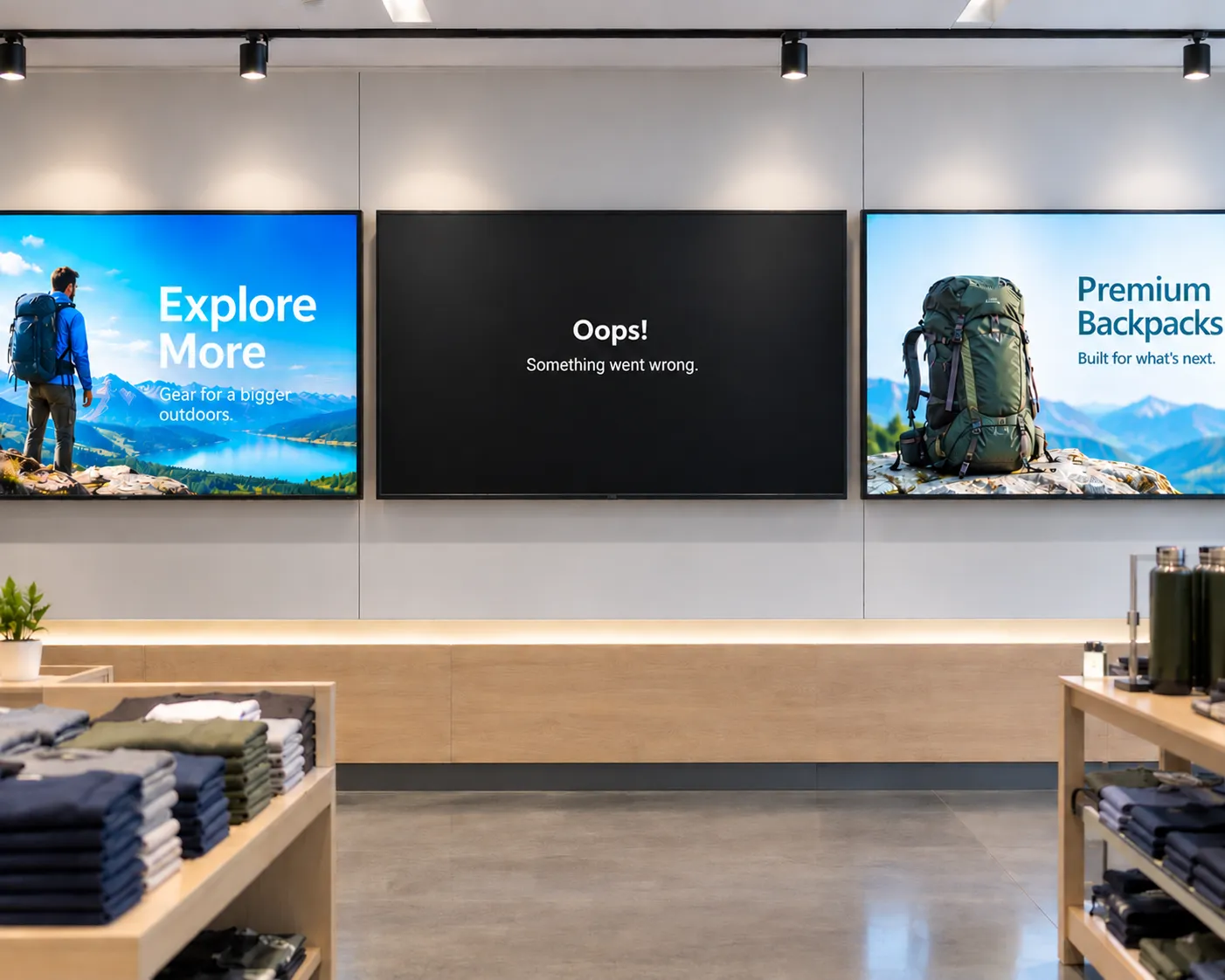
The hidden cost of "cheap" digital signage
From single-location businesses to enterprise fleets, cheap media players often cost more to operate than they save upfront. Here's what to factor in before you buy.

How smart hardware choices keep digital signage projects moving forward
Discover how IT teams are avoiding costly signage delays by pairing the right CMS with purpose-built media players—without ripping and replacing existing displays
Whether you deploy signage or buy it: simplified digital signage made reliable and scalable
Learn how Carousel, DataVisual, and Amazon Signage deliver simplified, scalable digital signage solutions that reduce complexity and operating costs for both resellers and end customers.